.jpg)
.jpg)

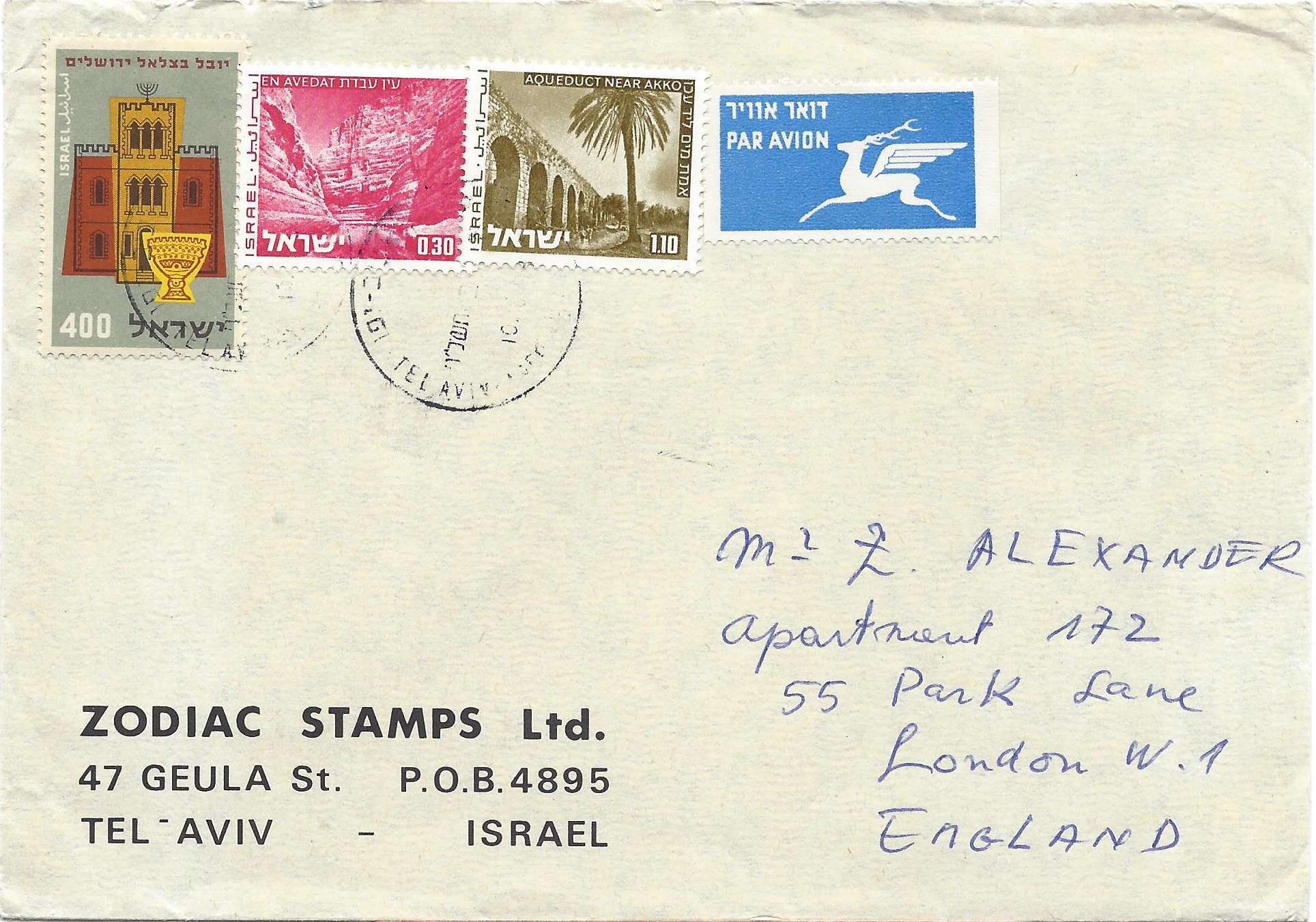
Sometimes, the collector’s prize and interesting items related to postal history land on his doorstep without him having to make an effort to look for them. The modern envelope that was sent in 1978 from Israel to Zvi Alexander’s house in London is a good example of the way in which letter senders throughout history tried to trick the postal authorities and avoid paying the full shipping price that was required of them.
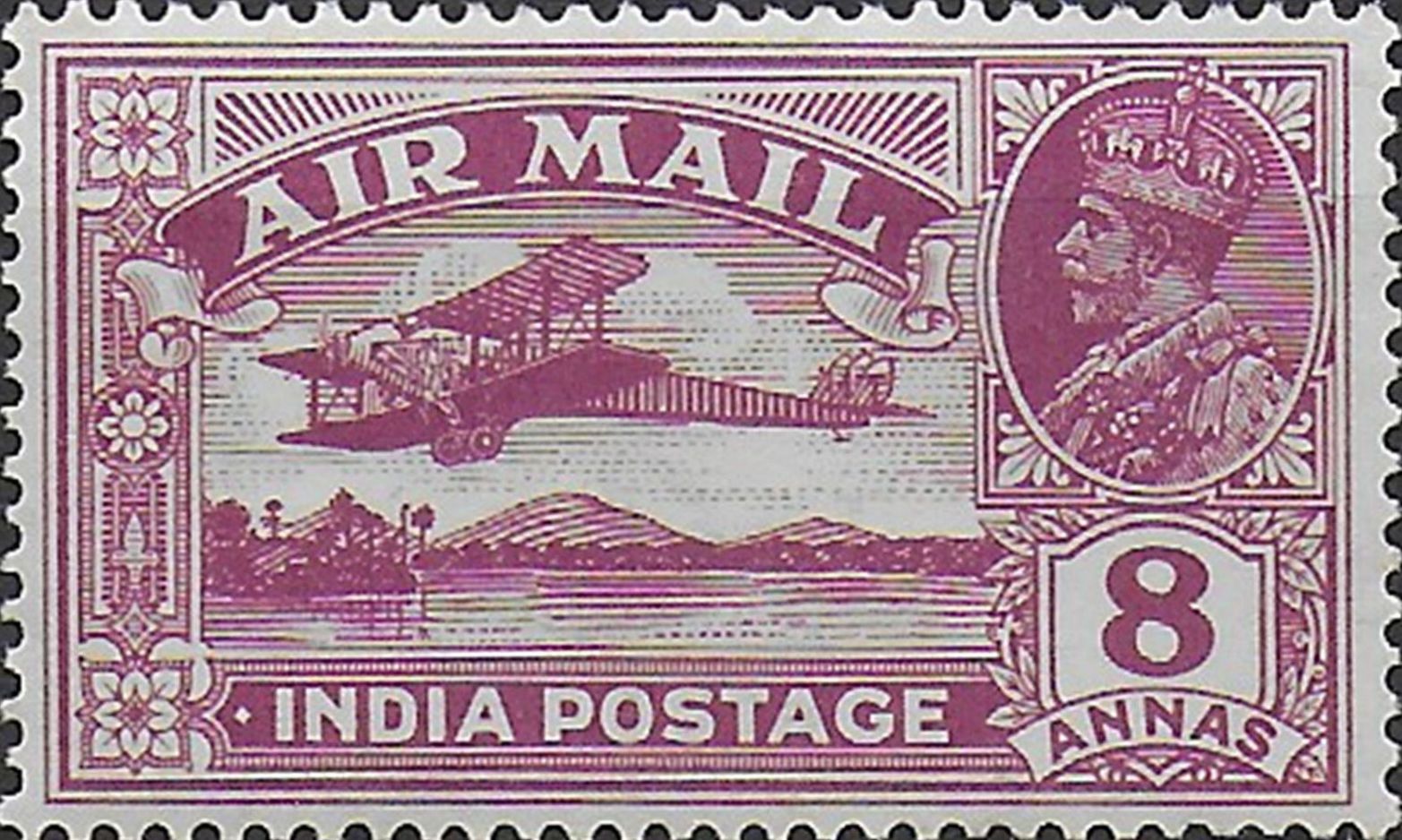
On October 22, 1929, India Post issued its first airmail stamps.
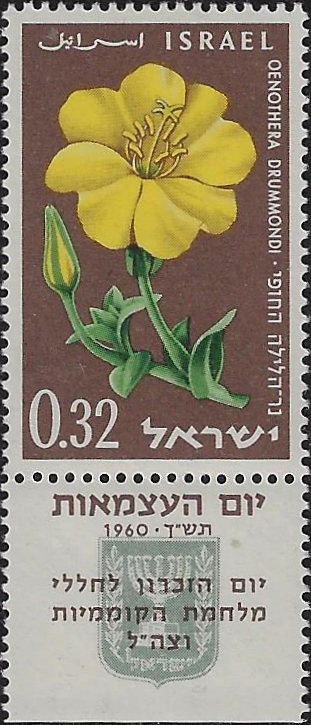
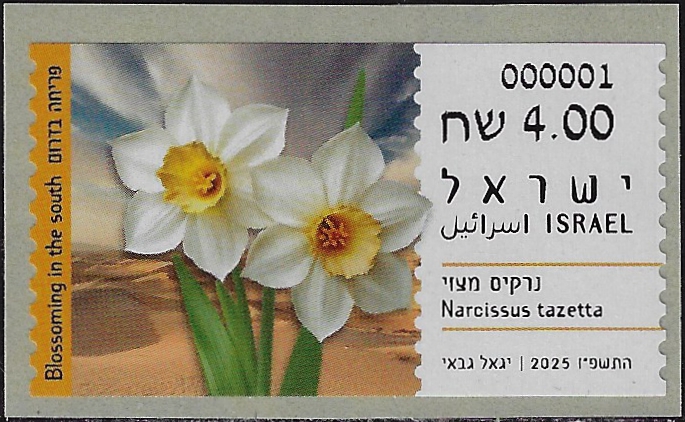
According to the convention among naturalists, it is customary to assign a scientific name in Latin to each plant. This name identifies the plant throughout the world, as opposed to the common name that is given to the plant in each place independently. In order to identify the plant accurately, it is customary to indicate its scientific name on the stamp in addition to its common name.
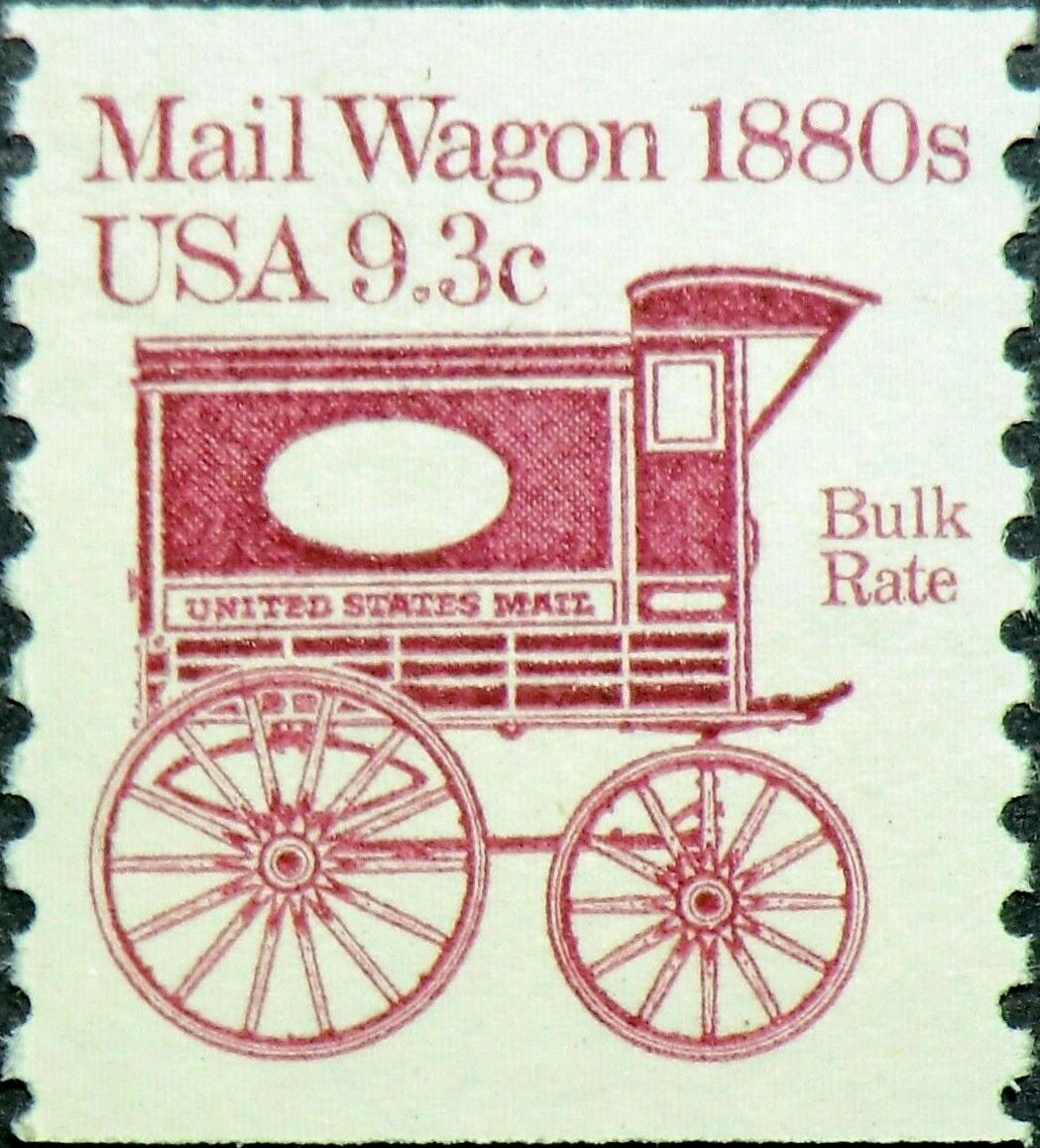
A stamp issued at a rate designated for the payment of bulk postage. In most countries of the world, including Israel, special stamps were not issued for this purpose, and payment is made in cash at the post office by the sender.
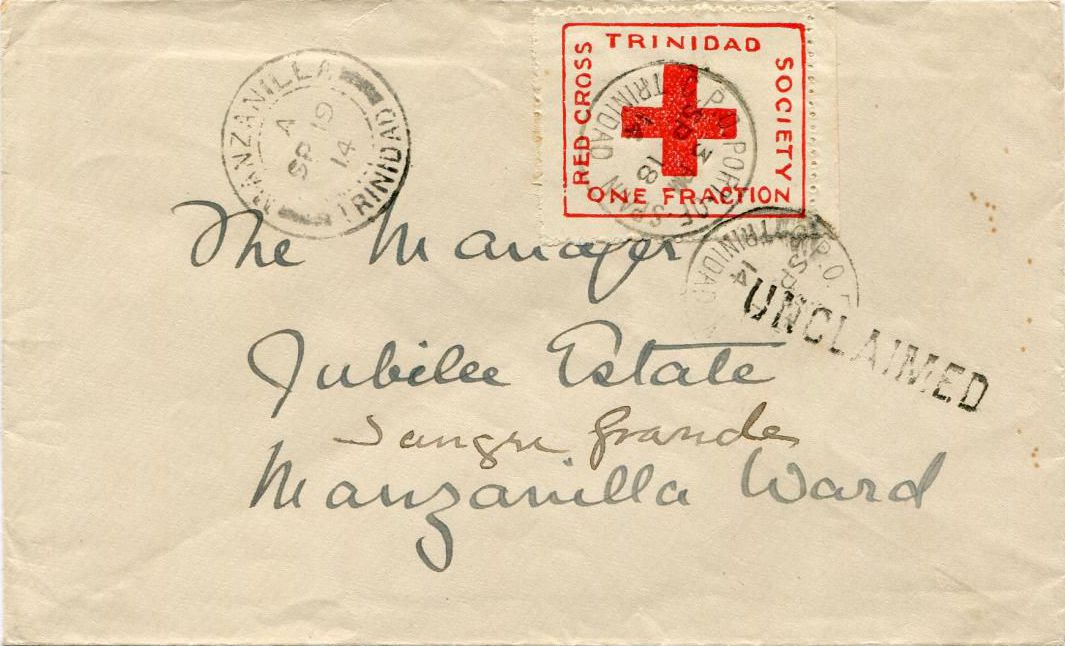
An envelope sent on the island of Trinidad documents an attempt by the local charity to collect donations for the Red Cross during World War I. The course of events turned this activity into a philatelic curiosity.











.jpg)
.jpg)












.jpg)










.jpg)